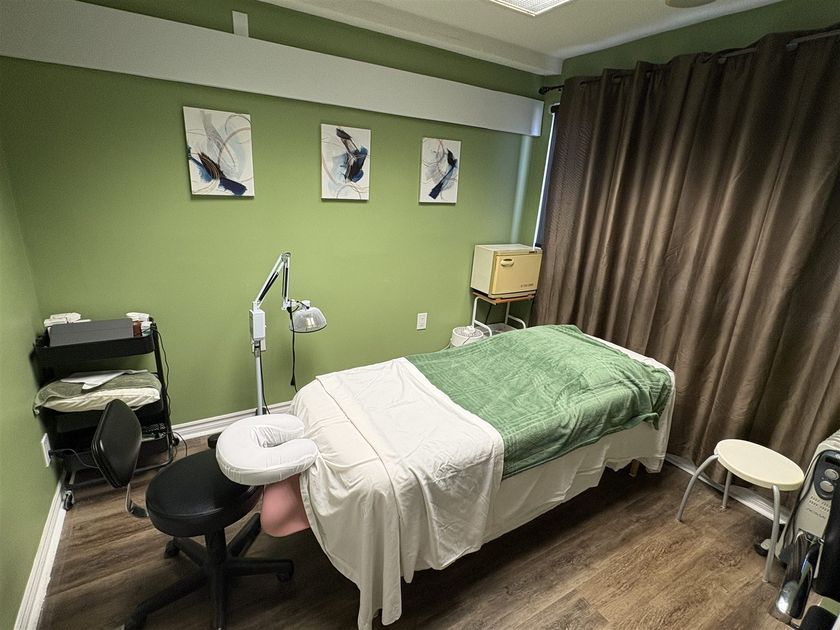
One of the most common questions we hear at our Nepean clinic is: "How often should I get a massage?"
The honest answer is that it depends on why you are coming in. Some people benefit from weekly treatments for a short period of time. Others do very well with one massage every 4 to 6 weeks. For many people, one massage a month is enough for maintenance.
Quick Guide: How Often Should You Get a Massage?
| Your Goal or Condition | Recommended Frequency |
|---|---|
| General stress or mild tension | Every 4 to 6 weeks |
| Neck, shoulder, or back pain | Weekly or every two weeks for 3 to 4 sessions, then reassess |
| Injury recovery or heavy training | Weekly at first, then every 2 to 6 weeks depending on progress |
| Pregnancy discomfort | Monthly, or more often later in pregnancy if needed |
| Long-term maintenance | Usually once a month, or every 6 to 8 weeks if you feel good |
This table is a general guide, not a rule. Your ideal schedule depends on your symptoms, your goals, your lifestyle, and how long the results last after treatment.
If You Have General Tension or Stress
For general stress, mild tightness, or everyday muscle tension, every 4 to 6 weeks is often enough.
This is common for people who:
- Sit at a desk or drive often
- Work long hours
- Carry stress in the neck and shoulders
A regular stress relief massage can help reduce built-up tension before it becomes more uncomfortable or harder to manage.
If your symptoms are mild and you feel better for several weeks after treatment, you probably do not need weekly massage.
If You Have Neck, Shoulder, or Back Pain
If you are dealing with ongoing neck, shoulder, or back pain, you may need massage more often at the beginning.
A typical starting point is once a week or once every two weeks for 3 to 4 sessions, then reassess. The purpose is to reduce pain, improve comfortable movement, and see whether the improvement lasts.
For example, someone with desk-related neck and shoulder tension may start with weekly treatments for a few weeks. Once the symptoms are more controlled, they may move to every 3 to 4 weeks for maintenance. For stubborn, long-standing knots, your RMT may suggest deep tissue massage as part of the plan.
Your RMT should be checking your progress, not simply repeating the same treatment every time.
If You Are Recovering From an Injury
For muscle strains, sports-related soreness, repetitive strain, or post-activity tightness, frequency depends on the stage of recovery.
In the early stage, when pain and tightness are more active, weekly treatment may be helpful for a short period of time. As symptoms improve, treatment usually becomes less frequent.
Massage therapy may support recovery by helping reduce muscle guarding, improving local circulation, and restoring more comfortable movement. It is often combined with home care such as:
- Stretching
- Strengthening
- Heat
- Activity changes
If your pain is sharp, worsening, or related to a serious injury, it is best to speak with a medical professional before relying on massage alone.
If You Exercise Regularly
If you run, lift weights, swim, play sports, or train several times a week, massage frequency depends on your training load.
For recreational athletes, every 3 to 6 weeks may be enough. If you are training heavily or preparing for an event, you may benefit from treatment every 1 to 2 weeks during a more intense period. With Ottawa's summer training season in full swing, this is also when tight calves and heavy legs tend to show up. We cover this in more detail in our guide to sports injury massage.
The goal is not always deep pressure. Sometimes the best treatment is focused work on overused areas, mobility support, or recovery-based massage that helps your body settle after training.
More pressure is not always better. A good massage should match your body, your activity level, and your goal.
If You Are Pregnant
For pregnancy massage, frequency depends on comfort, symptoms, and the stage of pregnancy.
Some people come once a month during the second trimester, then more often later if they have:
- Lower back pain
- Hip discomfort
- Leg heaviness
- Difficulty sleeping
Pregnancy massage should always be adapted carefully with proper positioning and appropriate pressure. The focus is comfort, safety, and relief, not aggressive treatment.
If You Are Coming for Maintenance
For many people, the best long-term rhythm is simple: one massage every month.
This works well if you are generally healthy but tend to develop recurring tightness, stress, headaches, or posture-related discomfort. Monthly care can help you stay ahead of the problem without over-treating.
If you feel good for 6 to 8 weeks after a massage, your maintenance schedule can be longer. If symptoms return after two weeks, you may need a few closer sessions before spacing them out. If budget is part of the decision, our massage therapy pricing guide breaks down session costs and insurance coverage.
Our Honest Approach at Woodroffe Health Centre
At Woodroffe Health Centre, we do not believe everyone needs weekly massage forever.
Some people need short-term focused care. Some people do best with monthly maintenance. Others only come in when symptoms flare up. All of these approaches can be reasonable.
During your visit, your Registered Massage Therapist will ask what you are feeling, how long it has been going on, what makes it better or worse, and what you want to achieve. From there, we can suggest a realistic treatment plan based on your body's response.
Massage should feel useful, appropriate, and personalized. It should never feel like a sales pitch.
Frequently Asked Questions
How often should I get a massage for stress or general tension?
For general stress, mild tightness, or everyday muscle tension, every 4 to 6 weeks is often enough. If your symptoms are mild and you feel better for several weeks after treatment, you probably do not need weekly massage.
How often should I book massage for neck, shoulder, or back pain?
A typical starting point is once a week or once every two weeks for 3 to 4 sessions, then reassess. Once symptoms are more controlled, many people move to every 3 to 4 weeks for maintenance. Your RMT should be checking your progress, not simply repeating the same treatment every time.
How often should I get a massage if I train or play sports regularly?
For recreational athletes, every 3 to 6 weeks may be enough. During heavy training or in the lead-up to an event, some athletes benefit from treatment every 1 to 2 weeks. Frequency should follow your training load and how quickly your body recovers. See our sports injury massage guide for more.
How often should I get a massage during pregnancy?
Frequency during pregnancy depends on comfort, symptoms, and stage. Some people come once a month during the second trimester, then more often later in pregnancy if they have low back pain, hip discomfort, leg heaviness, or trouble sleeping. Prenatal massage should always be adapted with proper positioning and appropriate pressure.
Is one massage a month enough for maintenance?
For many people, yes. Monthly massage works well for generally healthy people who tend to develop recurring tightness, stress, or posture-related discomfort. If you feel good for 6 to 8 weeks after a session, your schedule can be longer. If symptoms return within two weeks, you may need a few closer sessions before spacing them out.
Is regular massage covered by insurance in Ontario?
Registered Massage Therapy may be covered under extended health benefits, depending on your insurance plan. Woodroffe Health Centre offers direct billing for many major Canadian plans when supported by the client's policy. Official receipts are provided after every session. Coverage limits, referral requirements, and eligibility vary by provider.
Not Sure Where to Start?
Book a massage therapy appointment with one of our RMTs and we can help you find a schedule that makes sense for your body, your symptoms, and your budget.
Woodroffe Health Centre provides registered massage therapy and acupuncture in Nepean, Ottawa.
Book a Massage Therapy Appointment →Direct billing may be available depending on your insurance plan · Free parking · Mon–Sat 8:30 AM – 6:00 PM · Direct booking