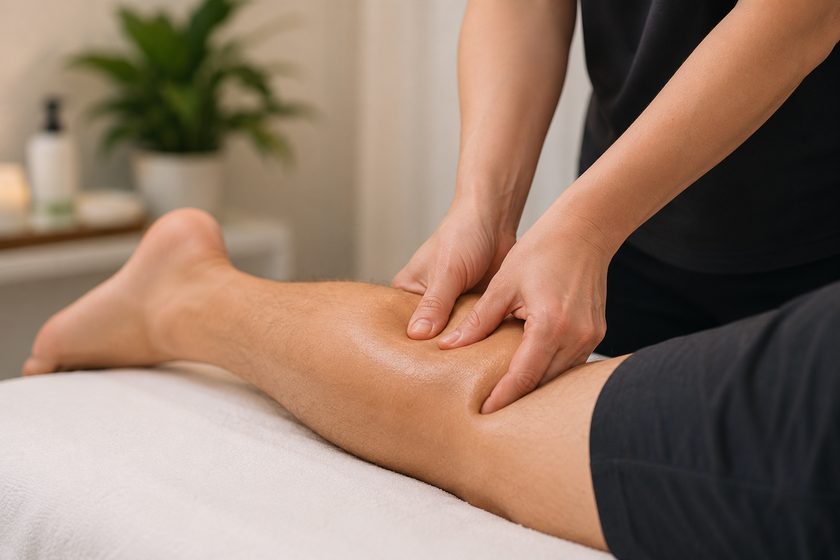
Summer in Ottawa is when everyone moves. The pathways along the Ottawa River fill with runners and cyclists, rec leagues are in full swing, and golf courses are busy from morning to dusk. It is also the season when calves tighten, hamstrings complain, and that old shoulder issue decides to make a comeback.
Most of the sports-related concerns we see at our Nepean clinic are not dramatic accidents. They are the quieter kind: soreness that outlasts a rest day, tightness that changes your stride, a muscle that never quite lets go between workouts. That is exactly where registered massage therapy earns its place.
What Summer Brings Through Our Door
Common Complaints
- Tight calves and achy hamstrings from running
- Hip and IT band tightness that alters stride
- Low back stiffness after long rides
- Shoulder and forearm tension from golf or paddling
- Lingering soreness that rest days no longer fix
- Old injuries that flare when training ramps up
Who We Typically See
- Runners training along the river pathways
- Cyclists and commuters putting in summer distance
- Rec league soccer, hockey, and pickleball players
- Gym-goers pushing a new program
- Golfers playing more than their backs agree with
- Anyone returning to sport after time away
The pattern behind most of these is similar: training load went up faster than recovery did. Massage cannot change your training plan — but it may help your body keep up with it.
How Massage Fits into Sports Recovery
Registered massage therapy for athletes is not a different treatment so much as a different focus. Your RMT works on the muscle groups your sport loads hardest — calves and hamstrings for runners, hips and low back for cyclists, shoulders and forearms for racquet and club sports — using firmer, targeted techniques where tissue is restricted and lighter work where the goal is recovery.
What that may help with: easing muscle tension and post-training soreness, supporting circulation, and maintaining comfortable range of motion through a training block. Research on massage for recovery suggests benefits for perceived soreness and muscle relaxation, though responses vary from athlete to athlete — which is why we adjust session by session rather than following a fixed routine.
What massage does not do: diagnose an injury, replace rehabilitation, or fix a training-load problem. If you arrive with something that needs a physiotherapist or a physician first, your RMT will tell you directly and point you the right way. Care works better when everyone does their own job.
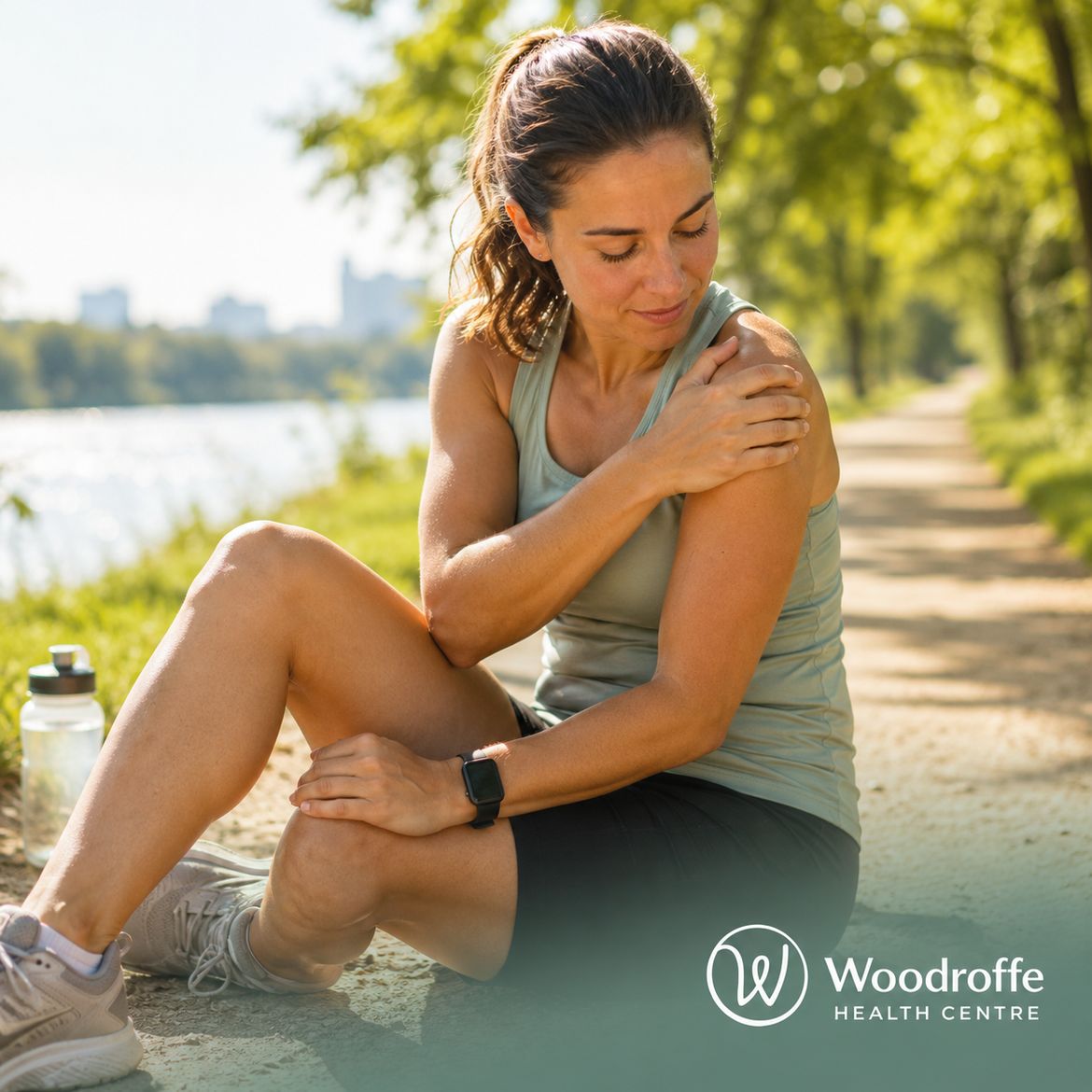
Sore, Injured, or Somewhere in Between?
The most useful thing you can do before booking anything is match your situation to the right kind of care:
| Your situation | Sensible first step |
|---|---|
| Sudden sharp pain, swelling, or a joint that gave way | Doctor or physiotherapist first — assessment before hands-on treatment |
| Tight, sore, heavy-legged after training — but moving fine | Sports massage — recovery-focused RMT session |
| One stubborn area that stays knotted despite rest | Deep tissue massage — firmer, targeted work |
| Recurring tightness plus poor sleep or slow recovery | Massage + acupuncture — combined plan, coordinated here |
Unsure where you land? Book a massage and say so at the start — the first minutes of every session are an assessment anyway, and redirecting you is part of the job.
Where Acupuncture Fits for Athletes
Some athletes recover on the table; others need help switching into recovery mode at all. When nagging tightness comes with restless sleep, slow bounce-back between sessions, or discomfort that keeps returning to the same spot, acupuncture may be worth considering alongside massage.
Because Woodroffe Health Centre provides registered massage therapy and acupuncture under one roof — with practitioners licensed in both — the two can be coordinated in a single plan instead of two clinics guessing at each other's work. If you are weighing the options, our guide to massage vs acupuncture covers how we think about choosing, and our acupuncture page explains what treatment involves. And if you only need one of the two, we will say so.
Training through summer — or paying for it afterwards?
A recovery-focused RMT session helps you find what is tightening up before it starts changing how you move. No referral needed — mention your sport when you book.
Book a Sports Massage in Nepean →Direct booking · Direct billing may be available · Free parking
Three Habits That Prevent Most Summer Flare-Ups
Frequently Asked Questions
What is a sports injury massage?
It is registered massage therapy focused on the muscle tension, soreness, and restricted movement that come with training and sport. Sessions typically combine firmer targeted work on overworked muscle groups with techniques to support circulation and range of motion — matched to your sport, your training load, and where your body is in recovery.
Can I get a massage right after injuring myself?
Not always. In the first days after an acute injury — sudden sharp pain, significant swelling, or a joint that gave way — assessment comes first, sometimes by a doctor or physiotherapist. Massage may play a useful role later in recovery. If you book with us shortly after an injury, your RMT will assess first and refer you onward if hands-on treatment is not appropriate yet.
Is massage or physiotherapy better for a sports injury?
They do different jobs and often work well together. Physiotherapy focuses on diagnosis, rehabilitation, and progressive loading after injury. Massage therapy works on muscle tension, soreness, and movement quality — useful between physio sessions, during regular training, and after events. If your situation needs physiotherapy or medical care first, we will say so.
How soon before or after a race should I book?
A common approach is lighter work in race week — many athletes avoid deep, intensive massage in the final two to three days before an event — and a recovery-focused session one to three days after, once initial soreness settles. Responses vary, so mention your event when booking and your RMT will adjust.
Sports massage or deep tissue massage — which should I book?
They overlap. Deep tissue describes the technique — firm, targeted pressure on stubborn knots. Sports massage describes the purpose — supporting training, recovery, and event preparation, using deep tissue techniques where needed along with lighter recovery work. Either is a fine starting point; your RMT will adapt the session.
Can acupuncture help with sports injuries?
Acupuncture may be considered alongside massage for some athletes, particularly where recurring tightness, nagging discomfort, or poor sleep are slowing recovery. It does not replace medical care for an acute injury. Because we offer both under one roof, the two can be coordinated in one plan — and if you only need one, we will tell you.
Do I need a doctor's referral for RMT massage in Ontario?
In most cases, no. You do not need a doctor's referral to book Registered Massage Therapy at Woodroffe Health Centre. Some insurance plans may require a referral for reimbursement, so it is worth checking your extended health benefits plan before your appointment.
Is sports injury massage covered by insurance in Ontario?
Registered Massage Therapy may be covered under extended health benefits, depending on your insurance plan. Woodroffe Health Centre offers direct billing for many major Canadian plans when supported by the client's policy. Official receipts are provided after every session. Coverage limits, referral requirements, and eligibility vary by provider — check your plan details or contact us and we can help clarify.
Train Hard. Recover Properly.
Whether you are chasing a fall race, playing three rec leagues at once, or just trying to enjoy an Ottawa summer without your calves complaining — recovery care keeps you in the game.
Woodroffe Health Centre provides registered massage therapy and acupuncture in Nepean, Ottawa — matched to your sport, your training, and your goals.
Book a Session →Direct billing may be available depending on your insurance plan · Free parking · Mon–Sat 8:30 AM – 6:00 PM · Direct booking